Y was a founding student at a brand-new IB high school in Singapore—which meant there was no alumni track record, no ready-made extracurriculars, and no senior students to learn from. On top of that, he decided to apply to both U.S. and U.K. universities, navigating two completely different systems.
For many, this would feel overwhelming. But for Y, this challenge became the training ground for two qualities that would ultimately define his application: adaptability and initiative.
Discovering the “Warm-Hearted Business Changemaker”
I first met Y when he was in Grade 10. During our initial conversations, two things struck me.
First, his sharp economic and social science insight—he could connect global events to market movements or business models in a way most students couldn’t. This showed up not just in the classroom but in his stock investments and product development experiments.
Second, his natural ability to bring people together. Whether in a project or casual setting, he could build trust quickly and turn a group of strangers into a functioning team.
That was when I gave him his positioning: the warm-hearted business changemaker.
From there, we built a plan together:
-
Academics: Take IB Economics HL and Mathematics: Analysis and Approaches HL, enroll in economics and entrepreneurship courses at the National University of Singapore, and complete a research paper on youth unemployment in China during COVID.
-
Practice: Join the investment club, enter high-impact competitions like FBLA and the Diamond Challenge, and launch his own “immersive experience game” business—from market research to daily operations.
-
Community: Bring the experience from these competitions back to school, filling the gap in upper-grade business clubs and mentoring peers.
Founding Student = Blank Canvas for Leadership
One thing I tell students in new schools is: “An empty stage can be intimidating, but it’s also the perfect space to create something meaningful.”
Y took this to heart.
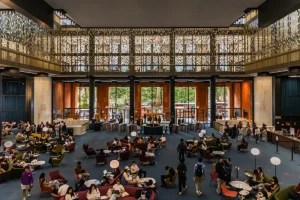
When he noticed his school didn’t have a business club for upper grades, he didn’t wait for the administration to set it up—he created it himself. Over time, he built a full competition ecosystem: incubation platforms for FBLA and Diamond Challenge, and even a training track for Wharton’s High School Investment Competition.
He wasn’t just participating anymore—he was shaping the school’s business culture.
A Dual-Track UK–US Application Strategy
Because Y was applying to both U.K. and U.S. universities, we had to be intentional. His “Economics + Social Impact” profile was designed to work across both systems.
In the U.K. context, his IB courses, GPA, and research projects demonstrated academic depth. In the U.S. context, his competitions, entrepreneurship, and community leadership brought out initiative and creativity. This focus kept him from spreading himself too thin and allowed him to shine in both markets.
Essays with Personality: Snooker and Community
When it came to essays, I encouraged Y to use personal hobbies as an entry point to bigger themes.
He chose snooker.
At first glance, it’s just a game. But in his hands, it became a metaphor for patience, precision, and long-term thinking. He connected the lessons he learned at the snooker table to his role in building a school community—how he organized events, built teams, and adapted to constant change.
The result? Essays that admissions officers could feel rather than just read.

Finding His Fit 15,000 km Away
Since his school’s focus leaned more toward U.K. universities, we made sure Y had U.S.-specific exposure: a Columbia University summer program, U.S. national competitions, and an East Coast campus tour.
One trip became a turning point.
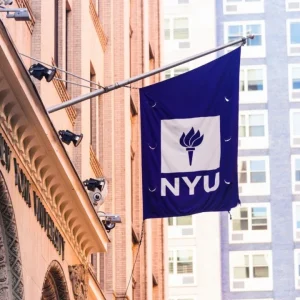
After visiting NYU—sitting in a classroom while a professor discussed Federal Reserve policy and looking out the window to see Wall Street’s lights—he turned to me and said: “This is it. This is where I want to study.”
That clarity shaped his final school list and his motivation through application season.


The Counsellor–Student Relationship
Our weekly check-ins weren’t just about ticking boxes on an application checklist. They were about real conversations—sometimes academic, sometimes about life.
One day during a school visit, Y noticed a street dance sticker on my laptop. His face lit up: “You dance too?” That chat led to discovering two activities that we later included in his application—showing his diversity of interests and teamwork skills.
It’s often in those “small” moments that the best application ideas are born.
The Results and the Lesson
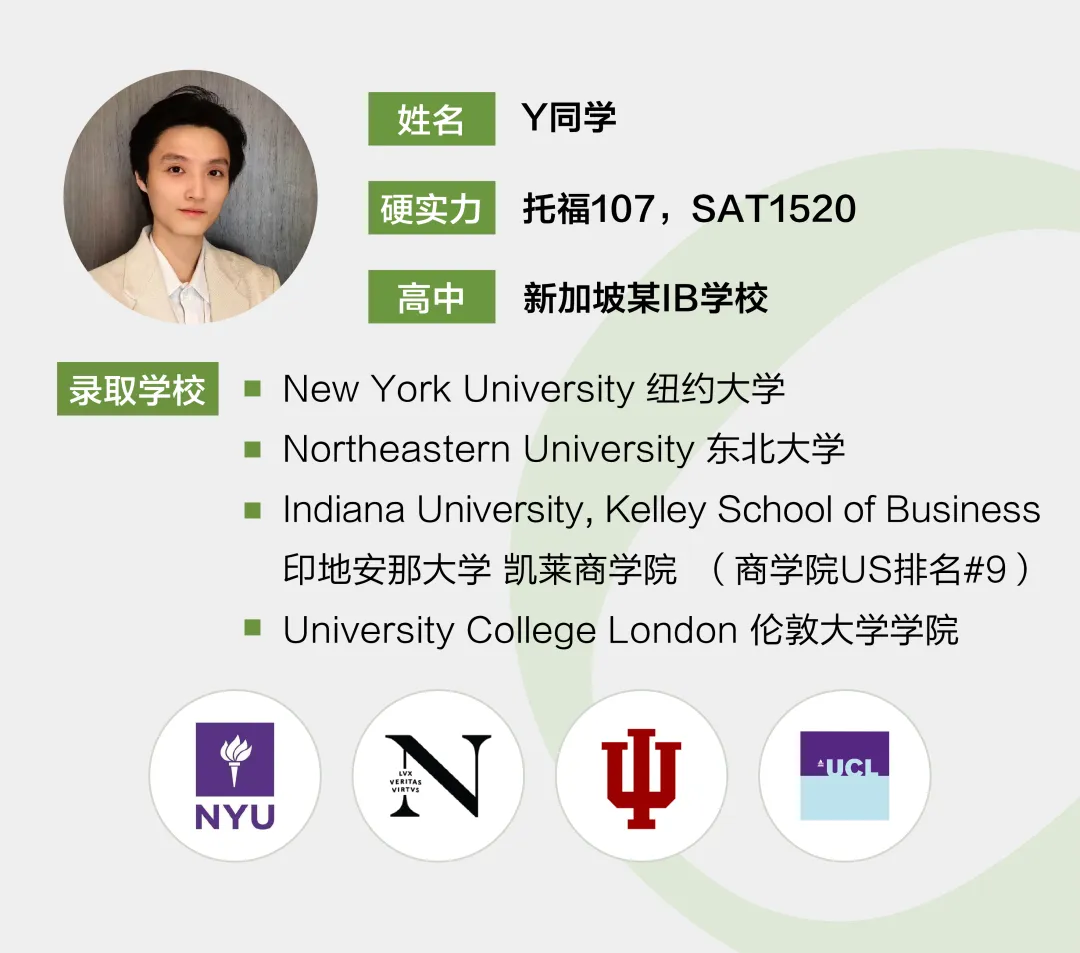
In the end, Y received offers from:
-
New York University (NYU)
-
Northeastern University
-
Indiana University’s Kelley School of Business (#9 in U.S. business schools)
-
University College London (UCL)
What made the difference?
-
Early, intentional planning that connected academics and activities
-
Clear, consistent positioning across different application systems
-
Authentic storytelling that made his essays personal and memorable
Y’s journey is proof that being a pioneer—whether in a new school or in your own ambitions—requires more than just talent. It takes vision, persistence, and the courage to create opportunities where none exist.